

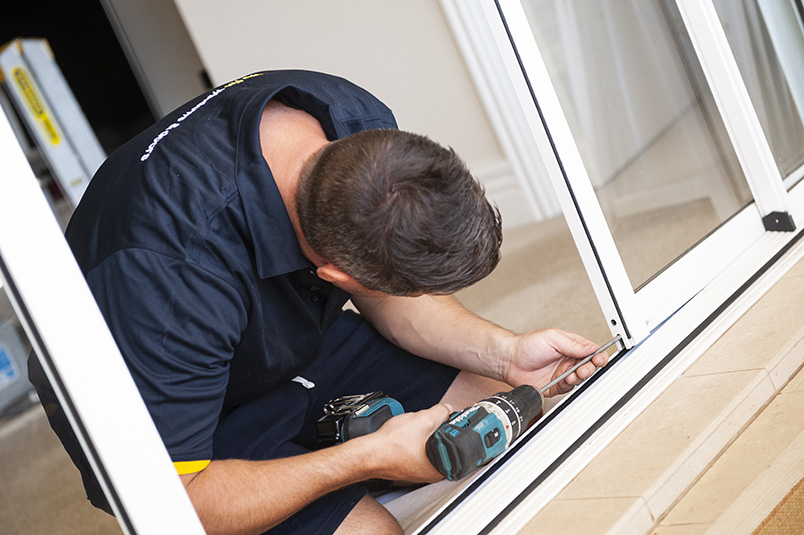
Sliding doors are a convenient and stylish feature in many homes, but over time they can become difficult to open, noisy, uneven, or insecure. The good news is that many sliding door problems can be identified quickly without needing professional repairs straight away.
If your sliding door is sticking, wobbling, or refusing to lock properly, this guide will help you diagnose the issue and understand the best solution.
Common Signs Your Sliding Door Has a Problem
Sliding door issues usually begin with small warning signs, including:
- Difficulty opening or closing
- Grinding or scraping noises
- Door jumping off the track
- Drafts or water leaks
- Faulty locks
- Door becoming stiff or uneven
- Visible damage to rollers or tracks
Identifying the symptoms early can help prevent more expensive repairs later.
1. Check the Sliding Door Track
One of the most common causes of sliding door problems is a dirty or damaged track.
Signs of Track Problems:
- Door feels rough when sliding
- Grinding sounds
- Door sticks halfway
- Dirt or debris visible in the track
How to Inspect It:
- Open the door fully.
- Examine the bottom and top tracks carefully.
- Look for:
- Dirt buildup
- Pet hair
- Small stones or debris
- Bent metal sections
- Rust or corrosion
Simple Fix:
Vacuum the track thoroughly and wipe it clean with warm soapy water. Minor buildup can dramatically affect door performance.
2. Inspect the Rollers
Sliding doors move on rollers located underneath the door. When these rollers wear out or become damaged, the door may become hard to move.
Signs of Worn Rollers:
- Door drags along the track
- Uneven movement
- Loud squeaking
- Door feels heavy
How to Diagnose:
Lift the door slightly while opening it. If movement improves, worn or misaligned rollers are likely the issue.
In many cases, rollers simply need adjustment using the screws located near the bottom edge of the door.
3. Test Door Alignment
A sliding door that sits unevenly may struggle to slide smoothly or lock correctly.
Symptoms of Poor Alignment:
- Gaps around the frame
- Lock not lining up
- Door scraping on one side
- Difficulty closing fully
Quick Check:
Stand inside and look at the spacing around the door frame. Uneven gaps usually indicate alignment problems or worn rollers.
4. Examine the Locking Mechanism
If the lock becomes difficult to engage, the issue may not always be the lock itself.
Common Causes:
- Door misalignment
- Loose screws
- Dirt inside the lock
- Damaged latch
Diagnosis Tip:
Close the door slowly and observe whether the latch lines up properly with the strike plate.
A simple adjustment may solve the problem without replacing the lock.
5. Look for Frame or Structural Problems
Sometimes the problem is larger than the door itself.
Possible Structural Issues:
- House settling
- Warped door frame
- Water damage
- Foundation movement
Warning Signs:
- Cracks near the door frame
- Sudden difficulty sliding
- Door no longer sits square
- Water leaks after rain
Structural issues may require professional assessment, especially if the frame has shifted significantly.
6. Check for Weather Damage
Outdoor sliding doors are constantly exposed to the elements.
Weather-Related Problems Include:
- Rusted tracks
- Swollen timber frames
- Corrosion
- Damaged seals
If your door is exposed to heavy rain, salty air, or extreme temperatures, weather damage could be contributing to poor performance.
How to Troubleshoot a Sliding Door Step-by-Step
Here’s a quick process to diagnose most sliding door problems:
Step 1: Clean the Track
Remove all dirt and debris.
Step 2: Inspect Rollers
Check for wear, damage, or stiffness.
Step 3: Test Alignment
Look for uneven gaps or scraping.
Step 4: Examine the Lock
Ensure the latch aligns properly.
Step 5: Check the Frame
Inspect for warping, cracks, or movement.
This simple inspection can often identify the root cause within minutes.
When to Call a Professional
While many sliding door problems are minor, professional help may be needed if:
- The glass is cracked
- Rollers are broken
- The frame is warped
- The track is badly damaged
- The door has come off completely
- Structural movement is suspected
Professionals can safely remove heavy glass doors and replace damaged hardware properly.
Tips to Keep Sliding Doors Working Smoothly
Preventative maintenance can extend the life of your sliding door significantly.
Maintenance Tips:
- Clean tracks monthly
- Lubricate rollers regularly
- Tighten loose screws
- Keep drainage holes clear
- Replace worn weather seals promptly
A well-maintained sliding door operates more smoothly, quietly, and securely.
Final Thoughts
Diagnosing issues with a sliding door doesn’t have to be complicated. Most problems come down to dirty tracks, worn rollers, poor alignment, or damaged hardware. By inspecting the door carefully and performing basic maintenance, many issues can be resolved quickly and affordably.
Regular upkeep not only improves performance but also helps prevent costly repairs in the future.
If your sliding door is sticking, wobbling, or refusing to lock properly, this guide will help you diagnose the issue and understand the best solution.